

A great part of my work is the opportunity to see art in real time, the capacity to find work hours to see shows and meet with creative people who inspire and ignite the programme - equally who have taken a seat at our table and participated in what we do.
Rayvenn Shaleigha D’Clark is one of those brilliant humans. I had the absolute pleasure of working with her way back in 2018 as part of Xhibit our flag ship exhibition open call. One bright and breezy day (is this even a Substack without a weather mention) myself and my chumolleague (mix of chum and colleague) Lotte headed to TM Lighting a firm whose work does what it says on the tin - for art. Their large scale workshop space houses a lovely, warm, and incredibly well lit gallery space boasting an ever expanding and impressive programme: www.tmlighting.com/tmgallery
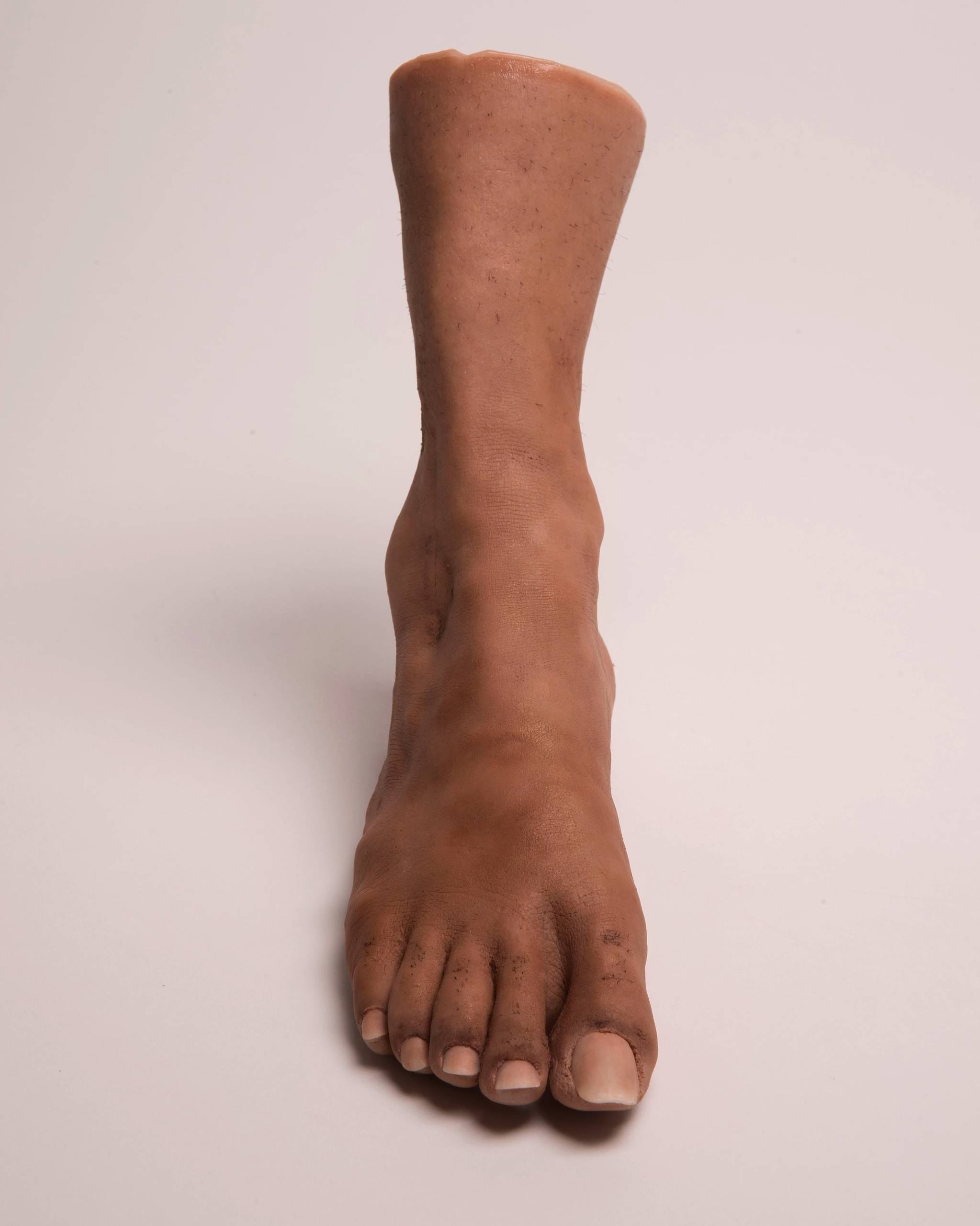
My Head Hurts, My Feet Stink and I Don’t Love Jesus , 2018 (lifted from www.mtart.agency/rayvenn-shaleigha-dclark)
Rayvenn’s work back in 2018 as part of Xhibit was a haunting disembodied foot dangling by a wire and hook from the ceiling, her capacity to understand the figurative and emotional force of the human body is fairly unfaltering. She navigates form through a practice which now encompasses tech and digital art making, understanding the complexity of 3D printing as a method of production. Her work demonstrates an acute understanding of the impact of the body- her cast of characters feel grandiose and important not just from her own life but due to the way Rayvenn presents them they feel like they should be important to us too. Mainly representing women of colour Rayvenn navigates a space where we find lack of representation painful and complex. It’s illuminating and brilliant that these forms glitch into tech spaces- that her people are now rendered digitally holistically improving representation and understanding between the lived and digital sphere. How can these women exist beyond the heart and mind of the artist and in our own subconscious. The fact is they do- I’d scoured the internet for some further references on their past, but couldn’t locate a backstory. The lack of this within the context of the show marks out Rayvenn’s work as ever more intriguing.
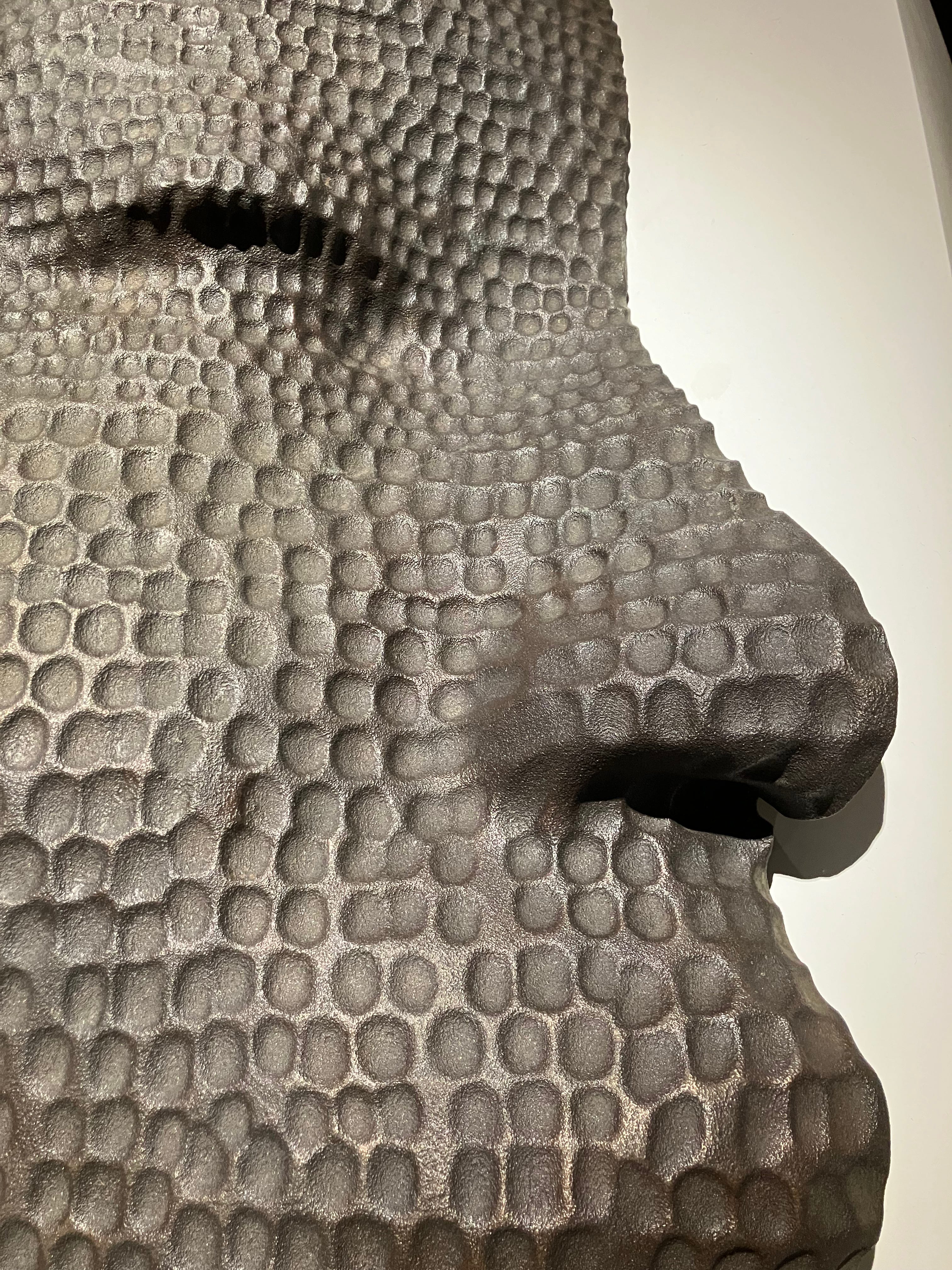
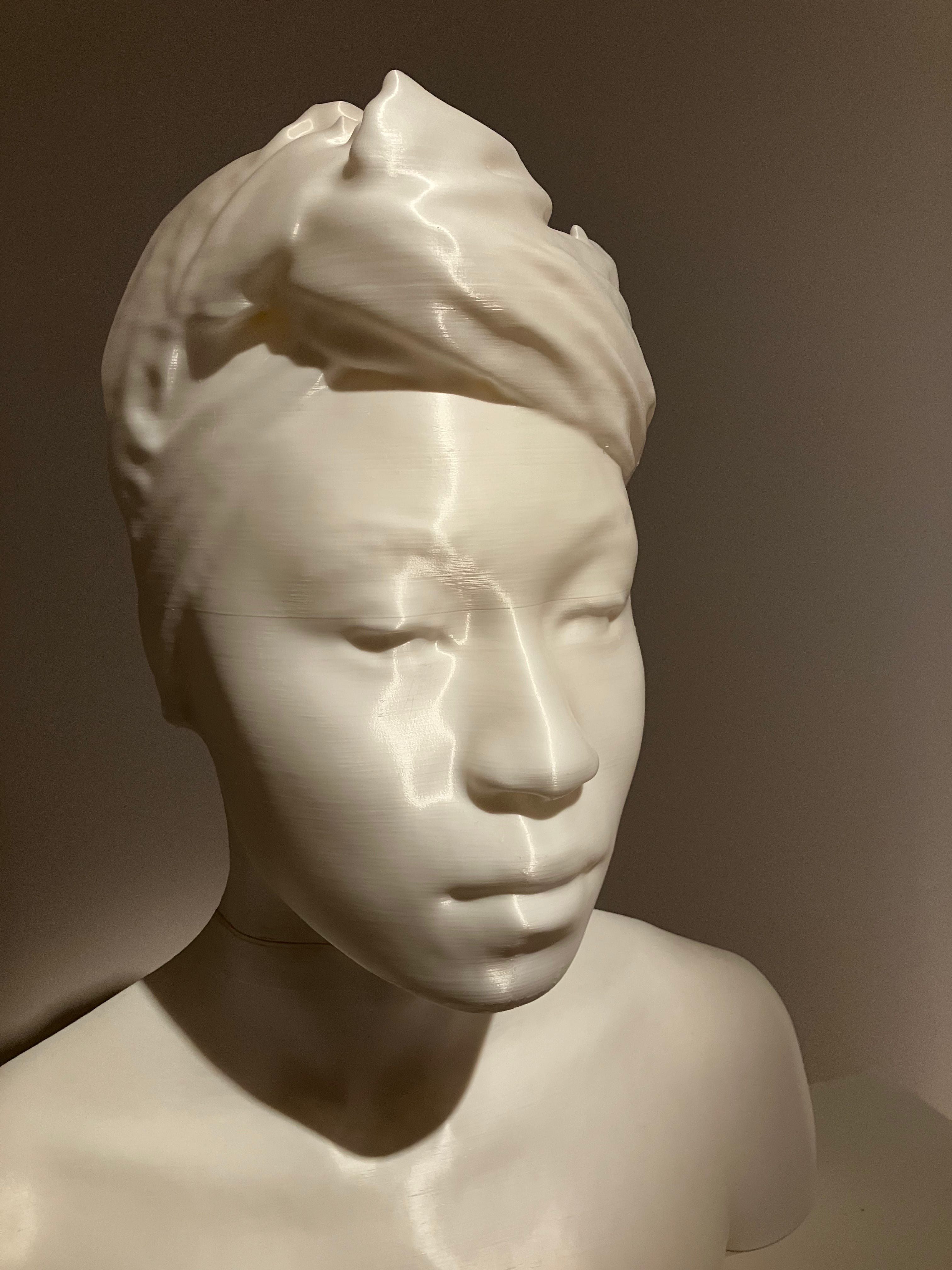
Maybe there is a catalogue of references to read through which details each face and their trajectory to Rayvenn’s work- but for now I see their role as a prism for further questions, how did she meet these people, are they family / friends and what does their life say about their experience. For lack of backstory we must commence a relationship with her forms cold- here I question if this approach is purposeful. The significance of withheld knowledge as a form of value added to their impact. Without justification they may become faces but with they potentially stick to their prescribed narrative. The fluidity Rayvenn attaches to these people through their ‘colour-blind’ casting, utilising whites, bronze and browns over blacks and forming a space for the incredible texture of the method. Here the work challenges how we desire an answer to figurative work but not always are given this insight. Historically this could be said for a lot of our public art works and their space in our landscape.
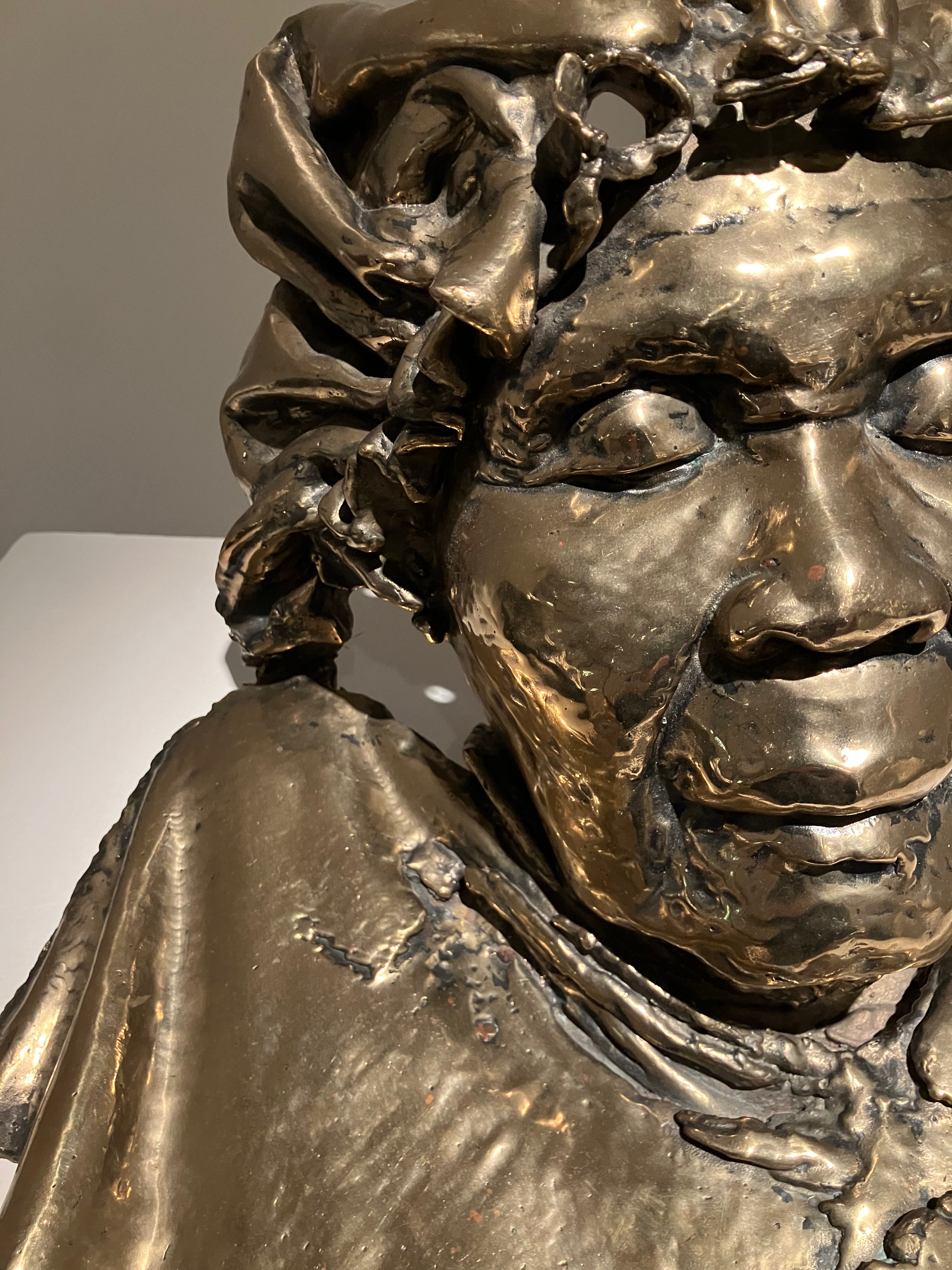
Rayvenn confronts this beautifully but also she mesmerisingly crafts work that wants to be touched and admired. She recently created three large scale bronze sculptures, titled ‘Black Renaissance’ — at the Freedom Monument Sculpture Park in Alabama. Here her practice works to bring representation of un-seen faces into our eye-line, her crafts-personship enables her to linger on those faces, interrogating their lines - questioning not just the works technique but who they are to the artist and how that unpacks our own feelings of self and society.
Postcript- sadly I didn’t get my act together to publish this whilst the show was live, having said this - do visit Rayvenns website for more: www.rayvenn-dclark.com/work